How many nights do you need to see the northern lights in Lapland?
Four nights in Rovaniemi gives you a fair chance and seven a good one. The arithmetic, the cloud data by month, and how to make every evening count.
 Aino team, 9 min read
Quick answer. Book at least four nights in Rovaniemi, and five to seven if the northern lights are the point of the trip. On a dark, clear night the Finnish Meteorological Institute's statistics give Lapland roughly a one in two chance of auroras, but from December to February the sky over Rovaniemi is overcast or mostly cloudy 84% of the time. Put those together and a single winter night spent in one place is worth about a 10% chance. Four such nights give you roughly one in three, seven about a coin flip, and a tour that drives to clear sky improves every one of those numbers.
- Two nights at these odds is about a 19% chance, and cloudy spells run for days, so it often fails.
- March is the best winter month: clearer sky and peak activity, with the snow still on the ground.
- The best hours are 21:00 to 01:00. Keep them free every night rather than betting on one tour.
How often do the northern lights appear in Lapland?
More often than most people expect, as long as the sky is clear. The Finnish Meteorological Institute (FMI) has compiled aurora statistics by latitude. On a dark, cloudless night the probability of seeing auroras is about 75% at Kilpisjärvi in the far north west, roughly 50% in the Lapland ski resort belt of Ylläs, Levi and Saariselkä, roughly 25% around Oulu and Kuusamo, and about once a month on the south coast. FMI also says that at Sodankylä, 130 km north of Rovaniemi by road, about every second night is an auroral night.
Rovaniemi sits a little south of Sodankylä and the resorts, so treat the odds as a bit under one in two on a clear night. Visit Finland gives it another way: in northern Finland the lights appear on roughly 200 nights a year, or about every other clear night between August and April. Visit Rovaniemi quotes a lower figure of around 150 nights a year for Finnish Lapland. Both are estimates, and both describe the sky above the clouds.
Solar activity is on your side for the 2026 to 2027 winter. The NOAA, NASA and ISES panel predicted the peak of Solar Cycle 25 for July 2025, and FMI says large displays tend to follow the sunspot count with a lag of a couple of years. FMI adds that in Lapland, auroras are common even at solar minimum, so the cycle matters less this far north than it does in Helsinki.
Why cloud matters more than the aurora forecast
The lights are up there about half the nights. Whether you see them depends on what is between you and them. WeatherSpark's analysis of NASA's MERRA-2 reanalysis for Rovaniemi airport, covering 1980 to 2016, gives the share of time the sky is clear, mostly clear or partly cloudy in each month.
| Month | Clear to partly cloudy | Mostly cloudy or overcast | Dark enough for auroras? |
|---|---|---|---|
| September | 32% | 68% | Yes, from about 21:00 |
| October | 22% | 78% | Yes, from about 19:00 |
| November | 19% | 81% | Yes, from about 16:00 |
| December | 16% | 84% | Yes, from about 15:15 |
| January | 16% | 84% | Yes, from about 16:00 |
| February | 16% | 84% | Yes, from about 17:30 |
| March | 23% | 77% | Yes, from about 19:00 |
| April | 31% | 69% | Early April only; the season ends then |
Cloud figures: WeatherSpark, MERRA-2. Darkness: end of civil twilight on the 15th of each month, sunrise-sunset.org, rounded.
Read the December row and the problem is obvious. A clear or partly cloudy sky 16% of the time, times a roughly 50% chance that the lights are active, is about an 8% chance on a given night if you stand in one spot. Partly cloudy nights still give you gaps, and guides drive to where the gaps are, which is why we use 10% as the rough stay-put figure and 20% or more for a night with a tour that chases clear sky. These are our estimates from the published statistics, not something anyone has measured for Rovaniemi.
Nights booked against the chance of a sighting
If each night is an independent attempt, the chance of at least one sighting over n nights is 1 minus (1 minus p) to the power n. Here is that arithmetic for three nightly odds.
| Nights | 10% per night (stay put, midwinter) | 20% per night (tour chasing clear sky) | 30% per night (March, clear spell) |
|---|---|---|---|
| 1 | 10% | 20% | 30% |
| 2 | 19% | 36% | 51% |
| 3 | 27% | 49% | 66% |
| 4 | 34% | 59% | 76% |
| 5 | 41% | 67% | 83% |
| 7 | 52% | 79% | 92% |
Our arithmetic. Real nights are not independent, see below.
So four nights with a couple of tours booked lands somewhere between one in three and three in five. Seven nights gets you to a coin flip even if you never leave your hotel's car park, and close to four in five with tours. That is the basis for the advice at the top: four nights minimum, five to seven if the lights are what you came for.
Why two nights so often fails
The table flatters a short stay. Winter weather tends to come in spells: a low pressure system can sit over Rovaniemi for days, and a cold high can bring a run of clear nights. Two nights are far more likely to land entirely inside one spell than the independent-night arithmetic assumes, so a two night trip is closer to one roll of the dice than two.
The first night often goes anyway. If your flight lands in the afternoon or evening you are tired, and Visit Rovaniemi warns that many activities sell out early from December to March. What to book before a Lapland winter trip explains which ones.
The moon takes a bite too. NOAA notes that a full moon diminishes the apparent brightness of the aurora. It doesn't stop a strong display, but it washes out a faint one, so check the moon phase for your dates and don't put both your nights on a full moon.
Which month gives the best odds?
March. The sky over Rovaniemi is clear to partly cloudy 23% of the time against 16% in December, FMI names March and early April as the best time for auroras in northern Finland, and the sun is still up for nearly 12 hours for daytime activities. The nights are dark from about 19:00 until 05:45. The snow is still deep too.
September and October are the other FMI peak, with clearer sky (32% and 22%) and dark nights, but no snow and no sleds. December to February have the longest darkness and the most cloud. If December is your only option, give it more nights and lean on tours. Our month by month daylight guide has the sunset times behind the darkness column above.
How to make every night an aurora night
The mistake people make is booking one "northern lights tour" for one night and treating the other evenings as free. Flip it: every night is an aurora night, and the tour is one of several ways to spend it.
- Keep 21:00 to 01:00 free on every night. FMI gives roughly 21:00 to 01:00 as the best window, and NOAA says the best aurora is usually within an hour or two of midnight. Put the sauna and dinner before 20:00.
- Book tours on the day, not before you leave home. Check the cloud forecast and FMI's aurora alert in the afternoon, then book for that night if the sky looks promising. Guided hunts in Rovaniemi start from about 109 € per person for a group tour that drives to the clearest sky, and from 159 € for an unlimited distance version (Visit Rovaniemi listings, as of October 2026). One group tour offers a full refund or another tour if no aurora is captured; Apukka Resort states plainly that it offers no aurora guarantee. Read the terms before you pay.
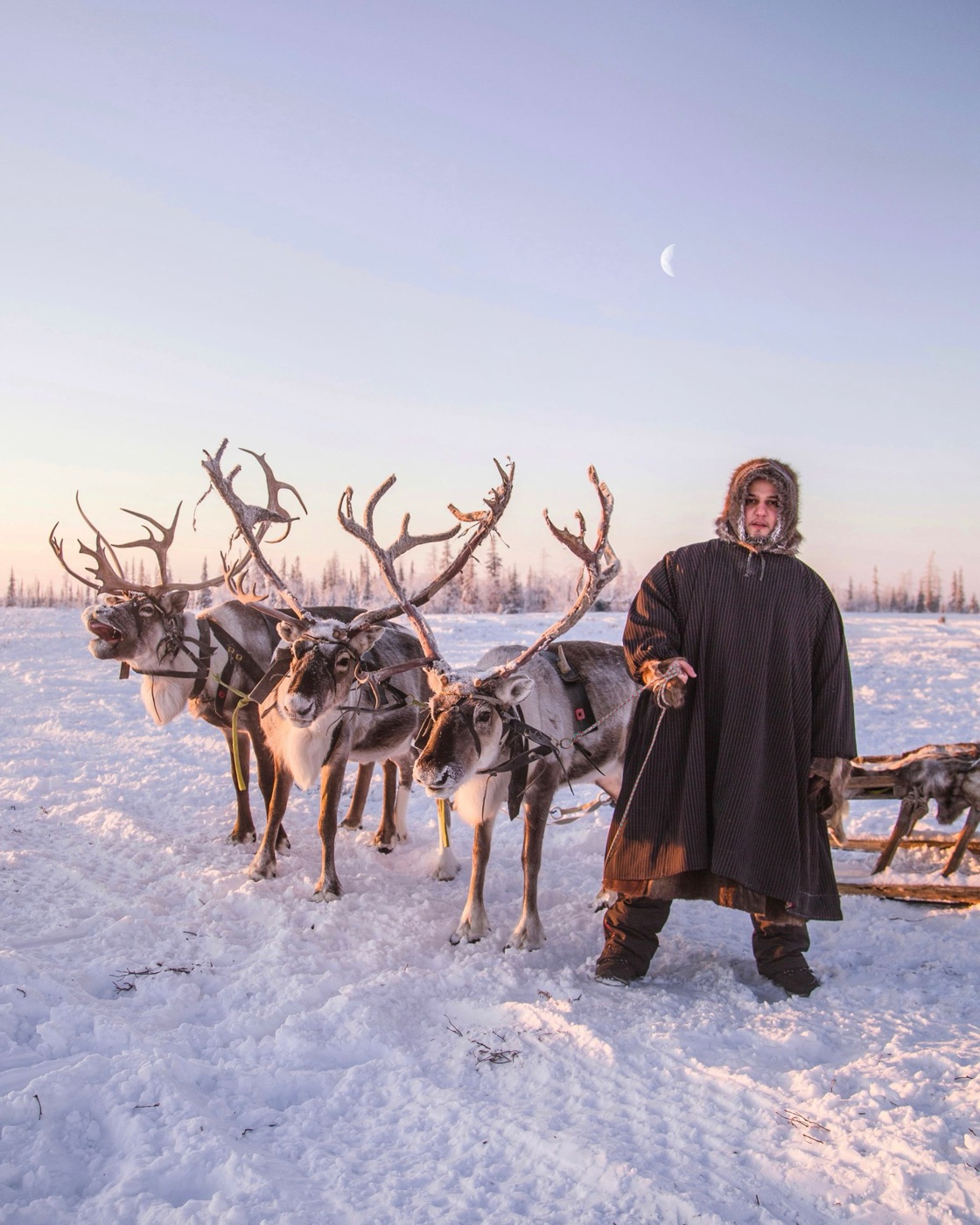
- Pick evening activities that are already outdoors. Apukka's reindeer sleigh ride across the night leaves at 20:30 and costs 195 € per adult, and Santa Claus Reindeer's aurora safari leaves at 20:00 or 21:00 from 169 € (as of October 2026). On a cloudy night you still get the ride. On a clear one you are already out under the sky.
- Learn one dark spot within walking distance of your bed. Ask at reception for the nearest place without streetlights and walk there once in daylight. Then a clear sky at 23:30 costs you a ten minute walk instead of a taxi.
- Use the forecast properly. FMI's aurora service shows magnetic disturbance in near real time: yellow means auroras are possible but likely dim, red means they are very likely visible. Pair it with a cloud map, because a red bar under solid cloud is still nothing.
- Spread your tours. If you book two, put them on the two nights with the best forecast, not nights one and two.
If you are planning the rest of the days too, our three day Rovaniemi itinerary leaves two evenings open for exactly this reason.
Frequently asked questions
How many nights do you need to see the northern lights in Rovaniemi?
Book at least four, and five to seven if the lights are the main reason for the trip. If your chance on a single winter night is about 10%, which is what the aurora and cloud statistics for Rovaniemi suggest if you stay put, four nights gives you roughly a one in three chance and seven about a coin flip. Tours that drive to clear sky push the odds up.
What is the chance of seeing the northern lights in Rovaniemi?
On a dark, cloudless night, roughly one night in two. The Finnish Meteorological Institute puts the odds at about 50% of nights for Lapland resorts such as Levi and Saariselkä and says every second night is an auroral night at Sodankylä, 130 km north of Rovaniemi. The problem is cloud: from December to February the sky over Rovaniemi airport is overcast or mostly cloudy 84% of the time (WeatherSpark, MERRA-2 data, 1980 to 2016).
Can you see the northern lights in Rovaniemi in December?
Yes, and the nights are long, with darkness from about 15:15 to 09:15. December is also the cloudiest part of the year, with clear or partly cloudy sky only 16% of the time, so give it more nights than you would in March and book a tour that drives to find gaps.
Is two nights enough for the northern lights?
Rarely. At a 10% nightly chance, two nights gives you about a 19% chance in total, and winter cloud tends to stay for days, so two consecutive cloudy nights are more likely than the simple arithmetic suggests. Two nights can work in March, when the sky is clearer and the Finnish Meteorological Institute says activity peaks.
What time of night are the northern lights most likely?
Around midnight, give or take a couple of hours. The Finnish Meteorological Institute gives roughly 21:00 to 01:00 local time, and NOAA says the best aurora is usually within an hour or two of midnight. Keep those hours free every night rather than booking one tour and hoping.
Sources
- Finnish Meteorological Institute, auroras in Finland (probability by region on dark cloudless nights, best months, solar cycle), accessed 13 October 2026
- Finnish Meteorological Institute, northern lights (Sodankylä every second night, best hours 21:00 to 01:00), accessed 13 October 2026
- Finnish Meteorological Institute, auroras and space weather (magnetic disturbance alert thresholds), accessed 13 October 2026
- Visit Finland, how to see northern lights in Finland (roughly 200 nights a year, season dates, 21:00 to 02:00), accessed 13 October 2026
- Visit Rovaniemi, northern lights season (around 150 nights a year in Finnish Lapland), accessed 13 October 2026
- WeatherSpark, average weather at Rovaniemi airport, cloud cover by month (NASA MERRA-2, 1980 to 2016), accessed 13 October 2026
- NOAA Space Weather Prediction Center, tips on viewing the aurora (hours around midnight, full moon), accessed 13 October 2026
- NOAA Space Weather Prediction Center, solar cycle progression (Cycle 25 maximum predicted for July 2025), accessed 13 October 2026
- Sunrise-sunset.org, civil twilight times for Rovaniemi, accessed 13 October 2026
- Visit Rovaniemi, northern lights tours (group hunt from 109 €, unlimited distance from 159 €), accessed 13 October 2026
- Apukka Resort, reindeer sleigh ride across the night (20:30, 195 € adult, no aurora guarantee), accessed 13 October 2026
- Santa Claus Reindeer, northern lights reindeer safari (20:00 or 21:00, from 169 €), accessed 13 October 2026
- OpenStreetMap, car routing (OSRM), Rovaniemi to Sodankylä, accessed 13 October 2026